
A few weeks ago, I thought I was dying.
Okay, so maybe it wasn’t that drastic, but it wasn’t fun. A “call the ambulance, go to the emergency room, have a somewhat invasive surgery” situation.
Here’s the story:
I’ve had heart conditions my whole life. There’s a hole in my heart that has been there since birth, and with it a pronounced murmur; the kind of washing machine rhythm that nurses and doctors get excited to show to med students. I was diagnosed with hypertrophic cardiomyopathy in high school, dashing my non-existent dreams of being a high-achieving high school athlete.
These conditions mean I make regular visits to the cardiologist, where I am usually the youngest person in the waiting room by at least a decade. Maybe two. Even as I speed toward 40, I bring the average patient age down by double digits.
My heart issues have always been kind of serious but not serious, or at least that was the general mood for most of my adult life. I was told in high school that eventually I might need a pacemaker or to go on medication, but those were possibilities that always felt far off. At every checkup since diagnosis—across three different hospital systems and four different doctors— things looked stable. Some doctors said to avoid most exercise. One said I could probably train for a 5K race if I wanted.
Since 2017, I’ve tried to be active through regular walking and strength training, and I’ve generally felt like there were no issues.
Until November 2024, anyway.
A routine check-up and echocardiogram gave my cardiologist some concern. Enough of one that he ordered me to wear a heart monitor and undergo an MRI as soon as possible. The former I stupidly decided to start wearing on election day, but the latter happened in January 2025. The MRI showed that I had developed enough scarring on my heart to suggest the potential for dangerous arrhythmias. Like “heart beats over 200 times a minute” kind of arrhythmias.
My cardiologist suggested that it was time to have a defibrillator implanted, but because I was young, he didn’t want to pursue the traditional type with leads that go through veins and into your heart. Instead, he suggested a subcutaneous implantable defibrillator (S-ICD), which would sit next to my ribs in — for lack of a better word — a little pocket in my side. A wire with a lead would be tunneled across my chest and sit just under my heart, but inside the skin. It’s less invasive than the traditional route, and for someone with no previous episodes, it’s a good fit. Ideally the battery on this thing would last around 15 years, and I wouldn’t have to deal with it again until then. No worry about lead corrosion or heart infection, either.
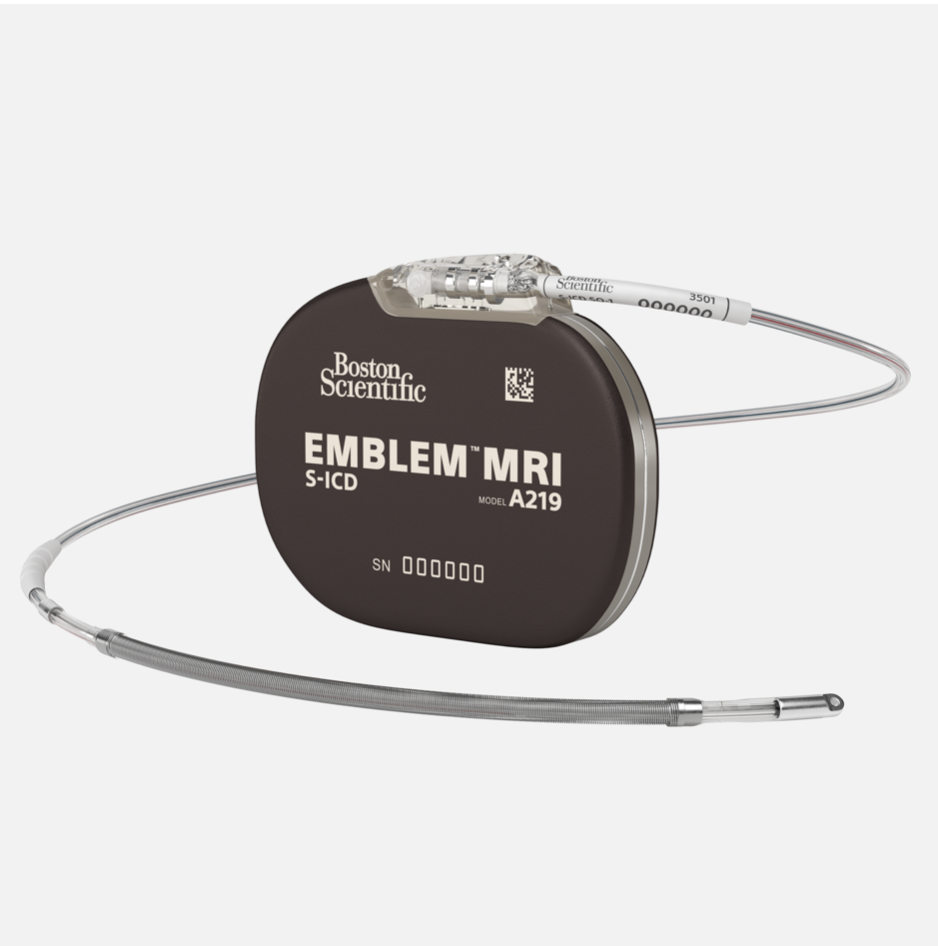
Which was great! And it worked! For almost an entire year!
And then, on February 10, 2026, it decided to work a little too well.
🎵Shock three times near the shower if you want me🎵
I was toweling off after an afternoon haircut and shower, prepping for parent teacher conferences, when I saw what felt like a very abrupt strobelike flash and a sudden jarring sensation in my whole body. It took me a second, but I figured it out: the defibrillator had given me a massive shock. Which was weird as hell, because I didn’t feel sick at all. No dizziness, no discomfort. Nothing.
I finished drying off as fast as I could and thought about next steps. Which is when the second shock came.
This one was worse than the first, and it sent me to my hands and knees. I had my phone in the bathroom listening to music on a speaker, so I called Erin in a panic. Which was silly. She was at work, not able to do much.
The next step was to call the doctor, but first I needed to get dressed. I put on clothes — a t-shirt and jeans, for some reason — and started looking for my cardiologist’s nurse line, but couldn’t find the direct number. Then I called Erin’s dad, because I desperately did not want to call 911. I did not want to pay for an ambulance if I didn’t have to.
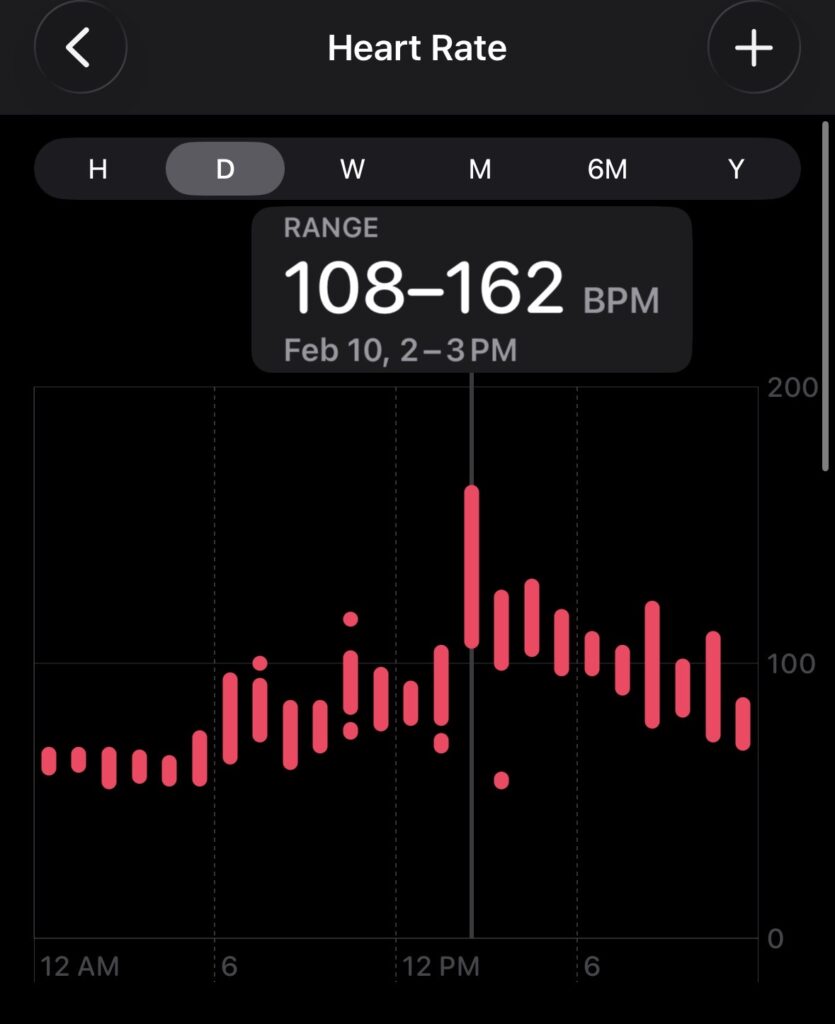
Then the third shock came, worse than the other two. I fell sideways toward the bed and used it to help get me to the floor, where—on my hands and knees—I knew I couldn’t wait.
There, on my hands and knees, I called 911 and waited with the operator for the fire truck and paramedics to arrive.
I’d never called 911 before, so I didn’t realize our bedroom would be filled with firefighters. At least five of them, paramedics not included. They showed up a few minutes later. The dog was barking her head off downstairs, but frankly I’m just grateful that’s all she did.
The assembled group sat me up, helped me call Erin to let her know what was happening, and helped the paramedics get me downstairs with a chair because my heart rate was too elevated to feel comfortable walking. I didn’t want a fourth shock if I could help it. I was done with being shocked that day, I said.
Later, I joked with my coworkers on Slack that it felt like being carried on a palanquin. When I looked over on the way out the door, Erin’s dad was sitting on the ottoman in the living room; when I didn’t answer the phone when he called me back, he came over. I asked if they’d take care of getting Banjo home from school.
They got an IV in and peppered me with stickers, watching my EKG on the way to the hospital.
No more shocks. Just shaking as I came down from the adrenaline dump.
The nice thing, I guess, about the situation is that I did not have to wait long for a room in the ER. They wheeled me into a private space with a sliding glass door and started taking my vitals. Erin got there either shortly before or after I did. My heart rate stayed elevated, but I think that was more the stress of the situation than anything else. As we waited to talk to a doctor and nurses and perhaps eventually the cardiologist, we listened as another down the hall wailed; the sound carried to us, a long refrain that alternately sounded like “Help!” or “Hey!” and happened anytime this person was left alone.
Owing to the current state of American healthcare staffing, that meant lots and lots of moaning.
As staff cycled in and out of my room, we quickly figured out that they couldn’t interrogate my device to see what happened at first because they didn’t have the right equipment. Apparently my specific kind of S-ICD isn’t one they commonly implant. They tried a couple of different ways and positions, but their specific tablet didn’t have the right software to connect to the hard puck that bulged beneath my skin.
But when they eventually did scan it once someone from cardiology came downstairs, something fun came up: I hadn’t actually had an episode that required a shock. It had fired, yeah, but not because it actually needed to. The cardiologist arrived and explained what this meant:
As it turns out, changes in my EKG — T-wave oversensing due to a bundle branch block — meant that the defibrillator was double counting and delivering inappropriate shocks.
“On the one hand, that’s great, right? I’m not actually sick or having a severe problem,” I said.
“Yes,” the doctor said, “but we have to reprogram your device so it won’t double count. And even then, we need to look at whether or not the lead in your skin will accurately record your heartbeat. I also want an echocardiogram to see if there are any physical changes in your heart since November.”
That meant staying at the hospital overnight. Not a great plan, but it beat the hell out of being shocked again at home.
A few hours later, Erin went home to pack me a bag and bring Banjo up to see me. He was nervous, as he had every right to be. But we assured him I was right where I needed to be, and that we’d figure out what was happening and I’d be back home before we knew it.
Not long after they left, I got moved to a room and tried to get some sleep. It wasn’t easy, especially with the IV in my arm and the nurses coming in and out every hour or so.
Too Stressed to be Blessed
The next morning passed slowly. I waited for any kind of news and in the meantime let my coworkers know what had happened in more detail. Leaving so abruptly with little more than an “hey going to hospital for heart issues” message in Slack felt awkward. There was a bunch of unfinished work on my desk. I was in the process of building out our contractor list and assignments, but I hadn’t completed everything I wanted to. There were still outstanding edits on a piece I’d written for the company blog.
The idea of letting everyone down stressed me out something awful.
As it turns out, there wasn’t any reason to be afraid. Catherine, my boss, told me not to worry too much about it. Everything would get handled.
So I logged out of Slack. Shut off my email (but forgot to set an out of office reply). And then I just…didn’t think about work after that.
Eventually, they pulled me out for a stress test. There were three people in the room: two nurses and another medical technician.
“The doctor wants to see if the changes we made to your device will stop it from delivering inappropriate shocks,” one nurse said.
I got on the treadmill in my grippy socks, having not packed a pair of shoes for the trip.
The treadmill started slowly, but the lack of shoes didn’t impact me too much. At least until the incline and speed ramped up a bit. That’s when I started to notice how difficult it might be. Then came another realization.
“Hey, uh, if it didn’t work…aren’t I going to get shocked on the treadmill?”
“We can stop it fast,” they said.
“We’ll catch you,” another nurse added.
“That still seems less than ideal,” I said. I could feel my breath getting ragged. My pulse quickening even more than it would have by exercise alone. I did not want to get shocked.
“You okay?” they asked as the treadmill pace and incline bumped up.
“Just kind of freaking out about getting shocked again,” I said.
I watched the monitor. My heart rate crept up to 150. If the device was counting double, I was definitely in the shock zone.
Before anything could happen, another guy ran into the room.
“Stop! Stop!” he said. “We have to wait for the device rep to turn the therapy off.”
They stopped the treadmill and I got off.
The doctor came in. “We needed to wait,” he said. “The device rep will be here in about ten minutes.”
The nurses helped me back to the bed and got me some water. It was more of a workout than I’d had in weeks. There were other patients, so they asked if I was fine to hang out on my own. Of course. I texted Erin to let her know what was happening.
I sat alone and waited, looking through the door at a strongbox with NUCLEAR MATERIALS printed on a sticker on its side. It felt less than secure.
Eventually the medical device representative arrived, turned off my defibrillator’s therapy options, and we restarted the test.
My hands were slippery as I gripped the treadmill’s bar and we increased the pace and incline again. The doctor and device representative watched the screen and my EKG as I struggled uphill, feet thumping against the hard surface of the treadmill. Grippy socks don’t provide a supportive walking experience.
After a few more minutes of this, I said I couldn’t take it anymore. Not because I was going to faint or because walking was hard, but my sweaty palms were quickly losing their purchase on the handrail and my feet were starting to hurt. They shut down the treadmill, satisfied that they’d gotten the data they needed.
Bad news: the oversensing was still there, even after the adjustments.
The doctor and device company guy pored over something on a computer behind me. As I listened to them, it sounded like they were both unhappy with the placement of my defibrillator’s lead. It wasn’t the best position, apparently. The device rep was more annoyed than the doctor.
Eventually they came around and talked to me. We’d leave the device off for now to avoid the potential for shocks, but we’d need to figure out a solution sooner rather than later. They couldn’t let me go home with a defibrillator that might go off at the wrong time, especially now that we knew there was an issue. Plus, they still wanted to look at the echocardiogram to decide whether or not my heart had changed. So back up to the room.
Eventually, the doctor came to see me with a couple of options:
- I wait in the hospital for him to have an opening to perform a surgery to move the lead in my chest and, potentially, the defibrillator.
- I head home and wait until next week, when the doctor who performed the original implantation would have availability to do the same thing. In the meantime, I’d need to wear a portable defibrillator vest which I would describe as something that looked like the world’s most unsupportive bra.
- The third option, which was what he recommended, was to completely replace the subcutaneous defibrillator with a traditional model that offered pacing capabilities. There were risks; no one wants to put one of these in someone in their late thirties unless they absolutely have to. But based on the EKG and the issues with oversensitivity, it’d be more accurate and stand less chance of inappropriate shocks. The soonest he could do the procedure was the following Friday.
After thinking it over, I chose option three. I was ready to be done, and I didn’t want to risk getting shocked while driving or picking Banjo up from school. But that also meant I couldn’t go home until after the surgery.
The next two days were painfully boring. Uneventful, really. Erin and Banjo came up to see me every night for a bit, but there’s only so much you can do to keep a second-grader from being bored in a hospital room. Otherwise, I read a lot and watched the Olympics — thank God for the Olympics — but by and large it sucked. I cried at least once, either because I was terrified that something awful might happen during my procedure or because I was deeply lonely or some mixture of the two.
On the day of the surgery, I was a bundle of nerves. I hadn’t eaten since the night before. I hadn’t had a shower in days. For some reason I didn’t think to take one until that morning. But I was able to shower.
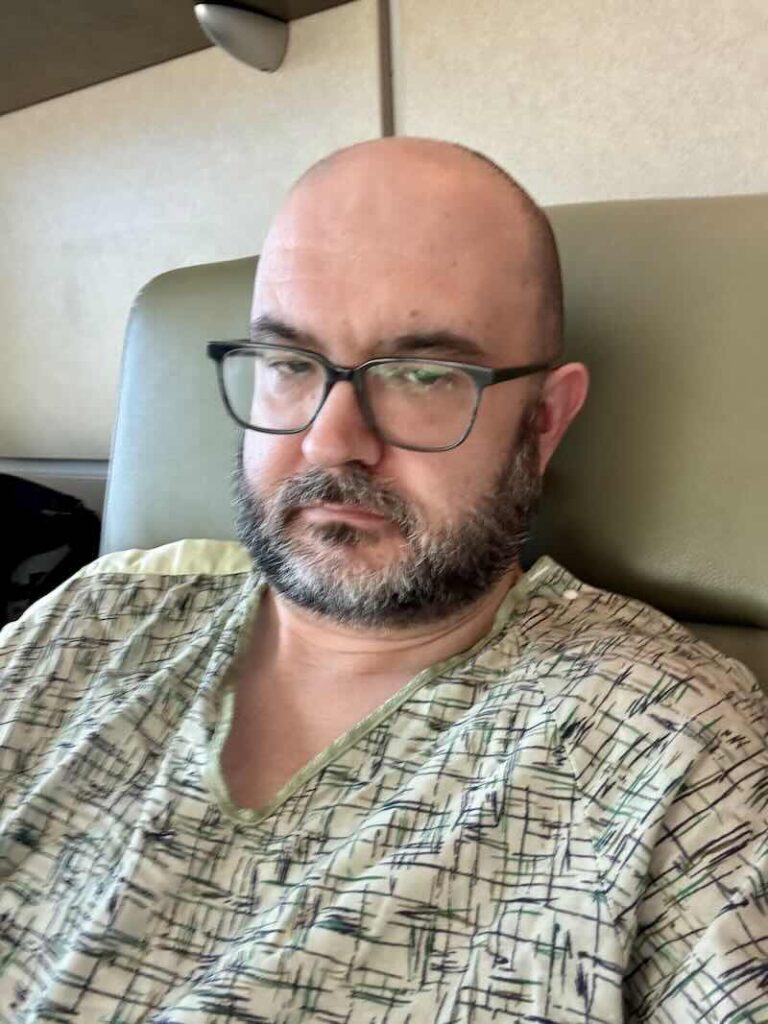
Erin and her dad came over around 11:30, and we sat in “hurry up and wait mode” for the rest of the afternoon. Eventually, they wheeled me down to surgery around 4:00 or so. Before we left, I asked if I should take off my pants.
They said it was fine, so I didn’t take them off.
After another 45 minutes and discussion with nurses, nurse anesthetists, and the anesthesiologist, the cardiologist came in and asked if I had any last questions and to calm my nerves. He apologized for the delay; apparently he’d had a “very challenging” case earlier that morning, but he was ready to go.
Next, he asked if I was ready, and I told him I was just extremely nervous. That was normal, he said. But this was a routine procedure. He does four or five of these a week. It would go well. All I would need to do is pretend I was sipping margaritas on the beach and taking a nice nap. The only concern was whether he wanted to do two leads into my heart or one. We decided to do two just for the additional visibility and the potential for pacing down the road if necessary.
They wheeled me back to surgery. Erin and I said our “see you laters,” and I disappeared behind the last set of double doors into the procedure room, full of giant monitors and machines and people, all of them in masks and scrubs.
I was more present this time than last time because I knew a bit more about what to expect. I cracked jokes with the nurses and support staff. The situation didn’t feel as dire, despite the fact that I was there because of a very serious problem.
“Hey, we need to take your pants down,” someone said.
“They told me I could leave them on!”
“Yeah, we gotta pull them down in case we need to get to your groin.”
I lifted my hips and shimmied them down around my ankles. I felt exposed. Had I known otherwise, I would have left them upstairs. I didn’t want to get blood on them. They’re my good $80 lounge pants.
That was the last thing I did before I went under.
The Day After
After waking from surgery, I was very out of it, of course. Pretty much incapable of coherent conversation for more than a minute. But after Erin left, I got a second wind and decided I needed to eat. But because the surgery ran so long, dinner service was over. The only thing I was able to eat was jello, apparently. So I ate my jello and watched TV and texted Erin. Eventually I crashed and went to sleep.
The next day, I found out—both from Erin and from the doctor during our discharge discussion—a few interesting pieces of information:
- I had panicked about my pants and asked Erin about them at least a dozen times. My nurse, Mercy, looked under the sheets. There they were. Around my ankles. She took them all the way off for me.
- The surgery went well, with one caveat: they had to place my defibrillator on my right side because the vein they usually use to insert the leads on the left side doesn’t exist in my body. Instead, it loops down and underneath my heart. Of course the other congenital defects mean there’s another anatomical difference.
- A not-insignificant amount of scar tissue had developed around the original lead, meaning my doctor had to use…some degree of force to remove it. Could have gone my whole life without hearing that bit, but oh well.
They finally let me go home the next day, and I was sore. But I’m healing up. In fact, I’m almost completely healed. For the first week, I had to keep my arm immobilized and my incisions generally dry.
I spent the weekend on the couch or in the recliner, napping and trying to stay comfortable. I could bend my arm at the elbow, which was nice, and sleeping didn’t hurt nearly as bad as it did the last time I’d had surgery. But I snored a lot, and frankly started to smell by the time the fifth day rolled around.
More importantly, I tried to log into work on Monday after my surgery and dig myself out of the hole of the previous week. But I didn’t know where to start. There were so many emails and Asana tasks and half-answered questions.
Catherine messaged me to ask how I was feeling, and when I told her about what was happening in my office, responded with a frownie face emoji.
“Log off,” she said. “You just had heart surgery. You don’t need to work right now.”
“Are you serious?” I asked. I’d been out a week, more or less incommunicado.
“Absolutely,” she said.
I set my out of office response. I dropped a message in Slack saying I’d check in later. And then I logged off again, spending the rest of the week reading books, napping in the chair, and healing.
I’m back to work now. Mostly having dug out of the trench that my absence left. I’m building out my processes (and my idea of what my writing program at work will look like), developing skills, and finding a new routine. I’m taking things both more seriously and with a sense of flexibility than I did before. My “annual” performance review, which comes just five months after joining the agency, was excellent. I’m earning my keep and more.
From a physical standpoint, I’m still restricted. I’m not supposed to lift anything heavy, and I can’t move my arms over my head yet. I still have about a week left until I don’t need to sleep with the immobilizer anymore. I’m excited about being able to move my underdesk treadmill back into position and walking every day almost as much as I am at the prospect of warmer weather to walk outside in.
I had planned on February being a true reset, only to receive a shocking surprise just ten days into the month. But it’s fine. I’m fine now, I think. A little uncomfortable, but having a new piece of plastic and circuitry wedged just under your collar bone will do that. My chest itches where the hair is growing back in.
And I’m blogging again, I guess. Writing something that isn’t client centered. Thinking about fiction and poetry and creative projects I’d desperately like to do.
There’s no time like the present, of course.