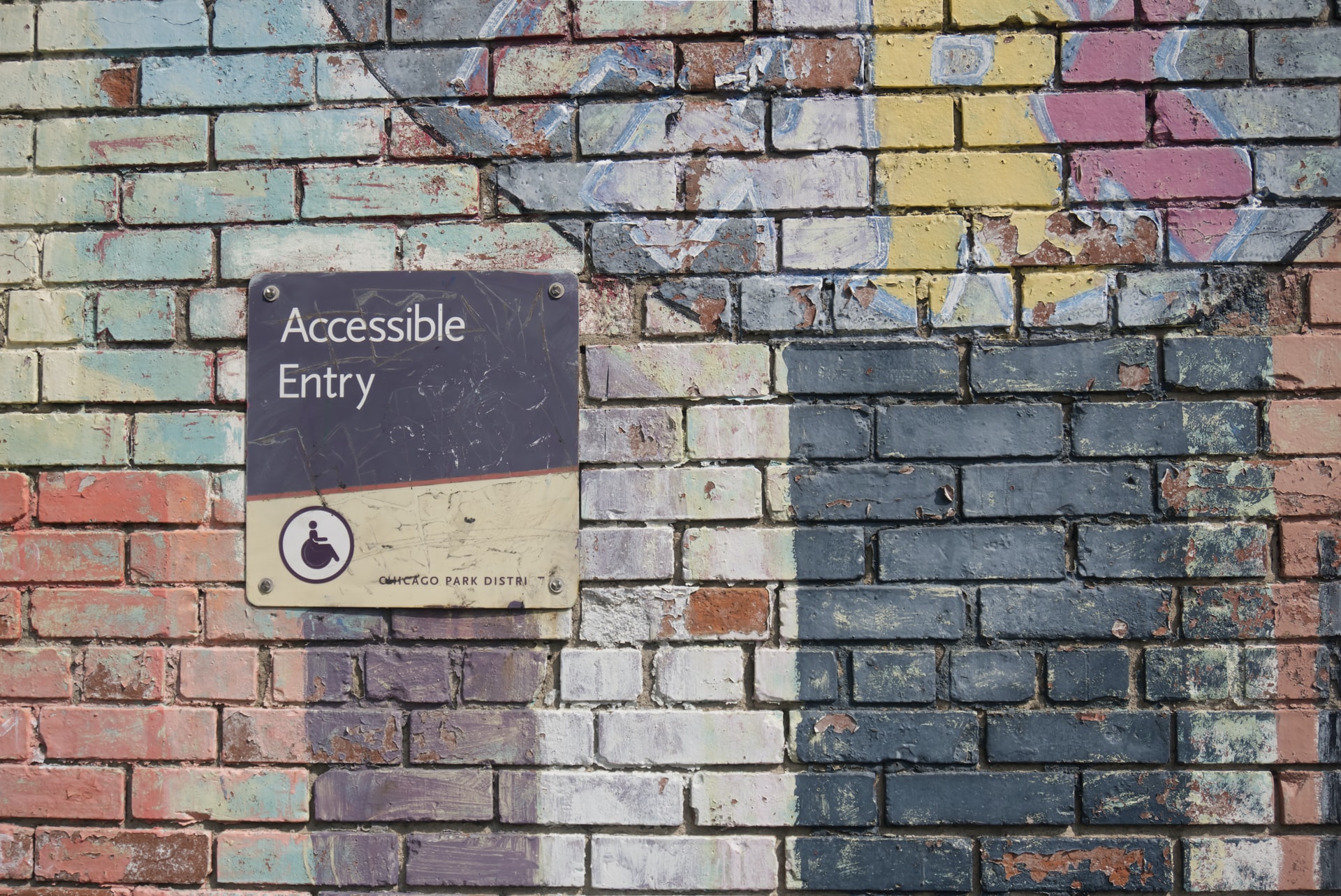
When writing for SEO, it’s important to understand accessibility standards. Search engines pay careful attention to how useful content is, but they also look at elements like readability. By using elements like clear headings and subheadings, bulleted lists, and chunking content into smaller sections for easier scanning and scrolling, you can positively impact not just the user experience on your page, but also the performance of your content in search engines.
What is accessibility?
Accessibility means making sure your content can be easily consumed by as many people as possible. This includes people with disabilities who may use screen readers or other assistive technologies to consume your content.
Why is accessibility important?
Accessibility is important for two reasons: first, because it’s the right thing to do. Everyone deserves equal access to information. Second, accessibility can positively impact your SEO performance.
How does accessibility impact SEO performance?
Search engines are designed to deliver the best possible results to users. That means giving users what they want, which includes content that is easy to read and understand. When your content is accessible, it’s more likely to be consumed and therefore ranked higher in search engine results pages.
What are some accessibility elements writers should consider?
There are a few accessibility elements writers should consider when writing for SEO:
- Chunking content: Breaking up your content into smaller sections makes it easier for users to scan and scroll. This is especially important on mobile devices where users are often scrolling through pages quickly.
- Using clear headings and subheadings: Headings and subheadings help users understand the hierarchy of your content. They also make it easier to scan pages for specific information.
- Alt text for images: Alt text is important for two reasons: first, it helps users who are using screen readers understand what’s on the page. Second, it helps search engines understand what’s on the page.
What resources can I use to learn more about accessibility?
If you want to learn more about accessibility, there are a few resources you can use:
- The Web Accessibility Initiative (WAI) is a great place to start. They have a wealth of resources on accessibility, including guidelines and tutorials.
- The A11y Project is another great resource for accessibility information. They have an extensive library of accessibility articles.
- Accessibility books: There’s a wide selection of accessibility books on the market, including “Don’t Make Me Think” by Steve Krug and “Inclusive Design Patterns” by Heydon Pickering.